
Patient's Info
Book AppointmentsWhat is a Vasectomy?
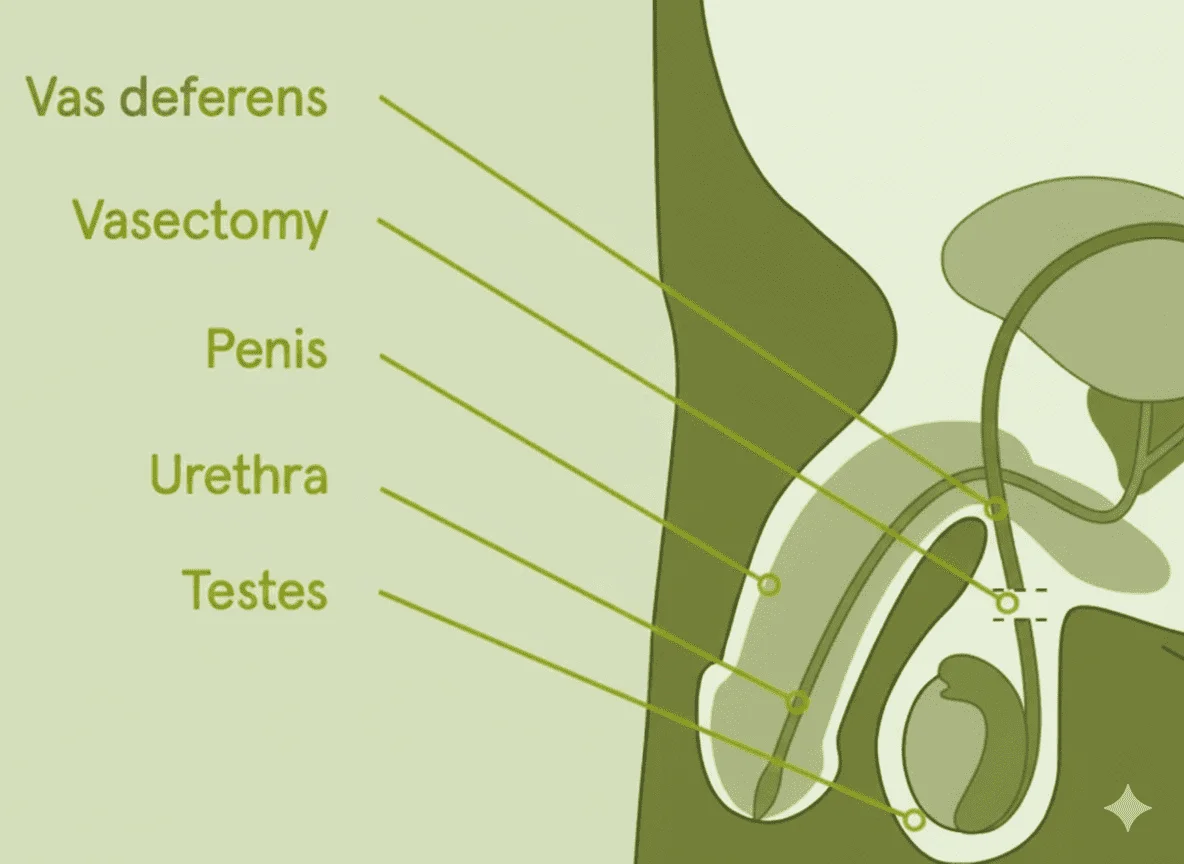
Male sterilization, which is a permanent form of contraception, is commonly referred to as vasectomy.
The ends of the tubes (vas deferens) that transport sperm from the testicles to the penis are cut and separated during a vasectomy. Following the operation, ejaculated specimens won’t contain any sperm once you obtain the all-clear, which should happen in around three months.
Ahead of suffering a vasectomy
During your visit to the clinic
While visiting the clinic
Following Your Departure from the Clinic
Surgical risks
Semen analysis and aftercare
Return to Activity
After a vasectomy, sperm—the component of semen that causes pregnancy—will be broken down in your body rather than entering your semen.

Inquires before to admittance
You will speak with a nurse over the phone before to your appointment to go over your medical history and how to get ready for the treatment.
Sedation
Please make sure you follow the fasting guidelines before your procedure if you are receiving IV sedation by reading the sedation information brochure.
Giving up certain medicines
For seven days prior to and following your procedure, cease taking any aspirin, fish oil, or non-steroidal anti-inflammatory medicines (nsaids), such as ibuprofen (nurofen).
We strongly advise ceasing anticoagulant (bloodthinning) medication for up to 7 days prior to and 7 days following your procedure; however, you will need to discuss this with your general practitioner or specialist.
Your health may be at risk if you stop taking anticoagulant (blood thinning) medication without first consulting your doctor.
“During your visit to the clinic”
Depending on the kind of anesthetic you have selected, you can anticipate spending two to four hours at our clinic.
Prior to the treatment, you will visit with your physician. You are welcome to bring your partner or other support person along to the consultation.
We’ll question you regarding your choice to undergo a vasectomy.
We will inquire about your medical history, including any prior hernia repairs or testicular procedures.
We’ll go over the process and the dangers.
Please feel free to ask any queries you may have.
For your sperm count test, we will give you a specimen jar, a pathology form, and aftercare instructions.
While visiting the clinic
Depending on the kind of anesthetic you have selected, you can anticipate spending two to four hours at our clinic.
Prior to the treatment, you will visit with your physician. You are welcome to bring your partner or other support person along to the consultation.
We’ll question you regarding your choice to undergo a vasectomy.
We will inquire about your medical history, including any prior hernia repairs or testicular procedures.
We’ll go over the process and the dangers.
Please feel free to ask any queries you may have.
For your sperm count test, we will give you a specimen jar, a pathology form, and aftercare instructions.
To ensure that both of your vas deferens can be felt, the doctor will check you.
They might want to leave the clinic and come back at a later time. Before the operation begins, we will give you the aesthetic of your choice.
It’s crucial to read the information in the sedation information booklet if you are receiving IV sedation.
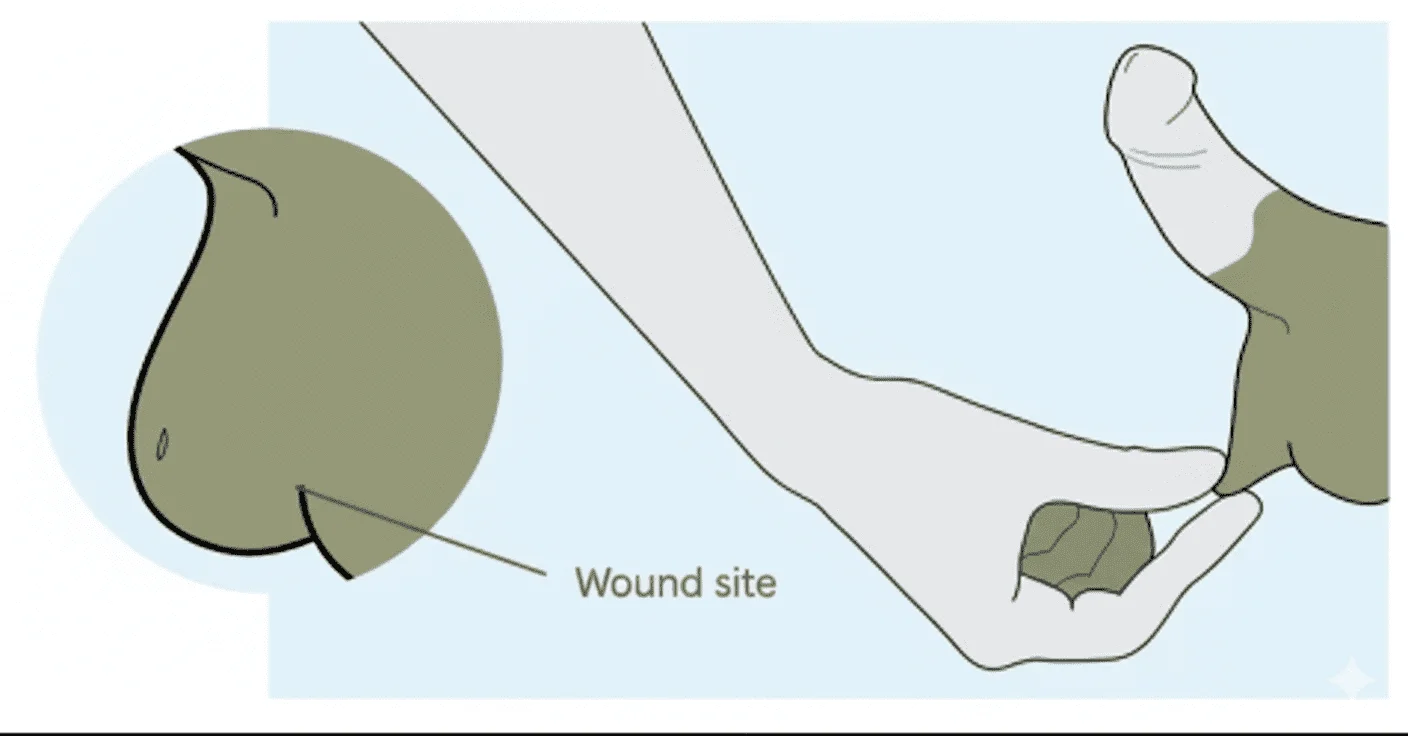
The doctor will make a little incision in the skin of your scrotum to access your vas deferens and shut the top end after administering a local anesthetic to numb the area.
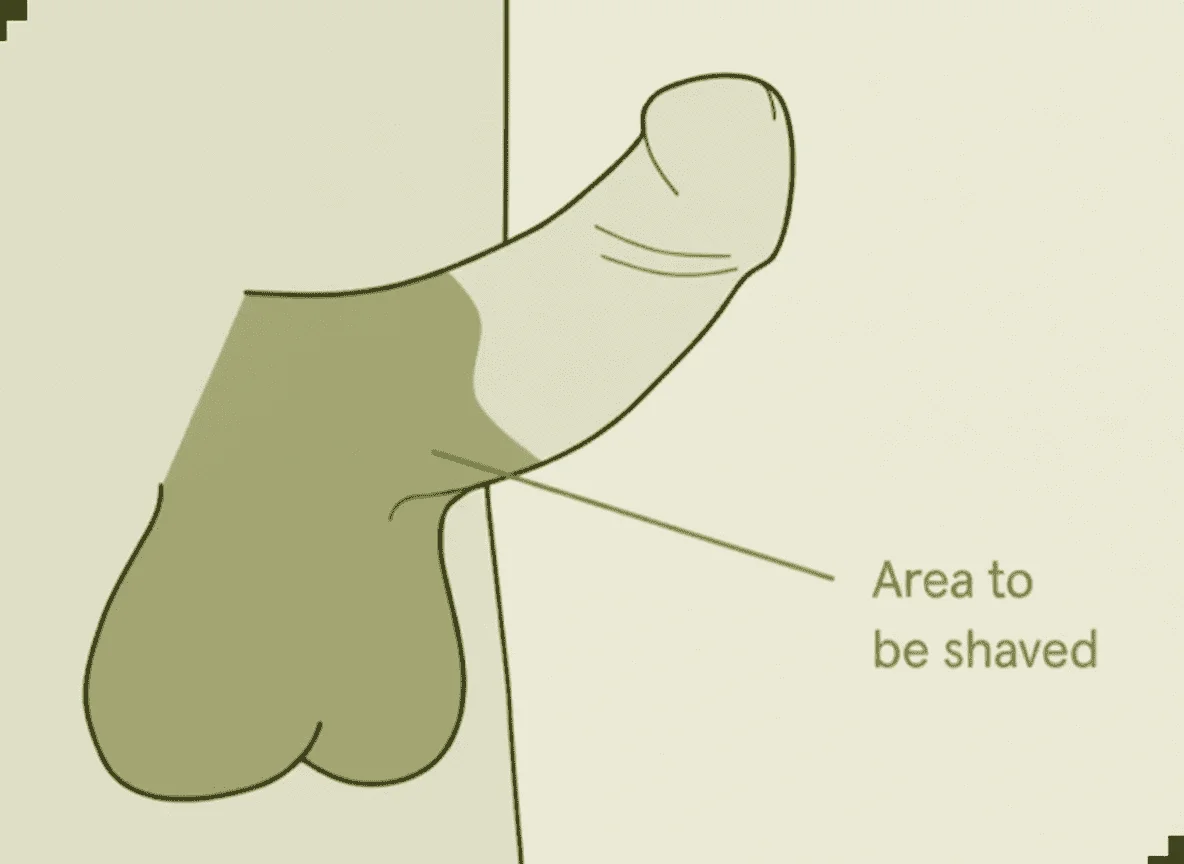
What takes place while I’m having my procedure?
Before you enter the operation room, you will change into a gown.
The clinic won’t be able to access your results, so please don’t call them directly.

Following Your Departure from the Clinic
Your well-being matters.
If your job keeps you seated for long stretches, you could be back on the job within a day or two after the procedure.
For further details, please refer to the “return to activity” section located on the back of this booklet.
For the first two to three days following a vasectomy.
Take it easy for the first day, or at least until you feel up to it. Avoid standing and walking for extended periods.
Opt for briefs over boxers; the former offer superior support.
Employ cold therapy consistently to diminish swelling and aid the body’s recovery process.
One week following a vasectomy
For the first week following your procedure, avoid bathing or swimming. Try to keep the wound as dry as you can.
Take quick showers both inside and outside, and if at all possible, leave the dressing on for the entire week.
If the dressing is lifting off, replace it with a fresh one.
No strenuous or demanding activities.
No ejaculation or sex.
You are allowed to have one or two alcoholic beverages each day, but avoid consuming more.
AFTER YOUR PROCEDURE
Here are some possible post-procedure emotions. Please contact our aftercare line at 02 6100 9956, Monday through Friday, from 7 a.m. to 7 p.m, Saturday from 8 a.m. to 4 p.m., Sunday, from 8 a.m. to 3 p.m., if you have any concerns.
Bruising and swelling
The majority of people will have some swelling and bruises near their testicles. You can use cold therapy if your swelling persists. therapy to address it.
On the internal cut end of the vas deferens, a tiny, pea-sized lump known as a granuloma may form. After six to twelve months, it usually shrinks.
Avoid squeezing these lumps. They might get more painful or swollen if you squeeze them.
Keeping your pants and/or underwear on, place a cold pack, compress, or cloth-wrapped frozen peas over or beneath the scrotum. Applying a cold pack directly to your skin can harm it and make it more painful.
For as long as you can, try to keep it on. It is too cold if it starts to feel uncomfortable. Keep the area cooler instead of freezing it.
Bleeding
The wound from the vasectomy may be slightly bleeding. To halt the flow of blood:
Medication
Painkillers like paracetamol (like Panadol) are available. Don’t take more than is recommended; instead, adhere to the instructions on the packaging. For the first seven days, stay away from aspirin and ibuprofen as they can exacerbate bleeding and bruises.
Pain control
You can use these pain management strategies if you experience pain when you get home.
Using cold therapy
For the first three days while you are awake, you should use cold therapy on a regular basis. You can continue using cold therapy to help treat swelling if it persists after this period.
Surgical risks
A vasectomy carries some risks, just like any surgical procedure.
While not all potential complications are listed below, these are the most frequent or significant issues.
AN INFECTION
What it is: When illness is brought on by bacteria entering the body. Scrotal skin infections are uncommon. A painful, sizable lump could result from deeper infections that develop internally around the vasectomy site.
Intervention/treatment:
If you grow: Fever, redness, and/or heat in the scrotum call for an immediate medical evaluation. Antibiotics are used to treat infections.
Failure
What it is: Vas deferens ends may regrow together, restoring your fertility. Your sperm count should reflect this, which typically happens in the first one to two months (early failure). Rarely, following a clear sperm count, the vas deferens may re-join (late failure).
Action/treatment:
You won’t be charged to have the vasectomy performed again. Until your vasectomy is successful, keep using contraception.
Haematoma
What is it? when a buildup of blood deep within the scrotum results in pain and swelling. Most likely, this occurs during the first one to two weeks following your vasectomy. Physical activity or direct injury may increase the likelihood.
Intervention/treatment:
With rest and assistance, it usually settles on its own. The hemorrhage may require surgical drainage if it is large. It may take two to three months for the hemorrhage to break down and reabsorb if it has solidified and cannot be drained. Complications from vasectomy
Granuloma
What it is: A pea-sized, hard, occasionally painful lump that can occasionally be brought on by sperm seeping from the cut vas deferens. The lump typically goes away in six to twelve months and is not dangerous.
Intervention/treatment:
Squeezing the lump could exacerbate it, so avoid doing so. When necessary, take simple analgesics. The granuloma may be surgically removed if it doesn’t improve with time.
CONGESTION
What it is: A feeling of pressure brought on by sperm accumulation in the epididymis and testes. After your vasectomy, you may experience some discomfort for up to three months or more.
Action/treatment:
Painkillers and time should help
PAIN SYNDROME AFTER VASECTOMY
What is it? scrotal, groin, and/or lower abdominal pain that persists for more than three months after a vasectomy. Although the precise cause is unknown, it could be connected to chronic congestive epididymitis, sperm granulomas, or nerve sensitivity.
Intervention/treatment:
usually settles on its own and reacts to painkillers. On rare occasions, more surgery is needed.
Semen analysis and aftercare
Your vasectomy won’t start working right away.
Until your semen is sperm-free, it is crucial that you use another method of contraception during sexual activity.
Recall that condoms are the only method of birth control that offers protection against STDs.
SEMEN ANALYSIS
A semen test is required three months following your vasectomy. You can’t do it sooner. A microscope is used to examine your sample to determine whether any sperm remain.
We advise at least 25 ejaculations prior to providing a sample in order to help ensure that sperm are removed before your test.
Important: For your three-month post-vasectomy sperm analysis, please make sure you visit one of the pathology centers listed below. Your results will be delayed if you use a different provider. Additionally, you might have to pay additional costs.
For information on requirements for post-vasectomy semen analysis, click this link.
Gathering a sample of semen
Avoid ejaculating for three to four days prior to sample collection. Ejaculate straight into the designated container to collect the full sample. Put your complete name, birthdate, and collection time on the container labeled “post-vasectomy.”
YOUR OUTCOME
We will get in touch with you to let you know if your semen is sperm-free after we have received and examined your results. This typically occurs 14–18 days following the submission of your sample. You must continue using contraception to avoid getting pregnant until we can confirm that your semen is sperm-free. For inquiries regarding your findings, kindly contact our
The clinic won’t be able to access your results, so please don’t call them directly.
Return to Activity
You must abide by these rules if your job requires lifting, reaching, or any other physical exertion.
You will have to take the week off from work if this is not feasible. Don’t forget to request a medical certificate. While
Day1
Avoid lifting anything heavier than three kilograms.
Walk and stand for five minutes at a time, pausing only ten to fifteen minutes for rest.
Days 2–7
Up until day seven, you can increase your daily walking and standing time by 30 minutes while taking 10- to 15-minute breaks.
Days 7–13
You are able to stand and walk all day.
Carefully lift ten to fifteen kilograms.
Not yet a sport.
Days 14–20
Running, swimming, and cycling on a stationary bike are among the sports you can participate in (in a gym).
Carefully lift 20–30 kg.
Days 21–27
On the road, you can ride a bicycle.
Day 28
Football and other contact sports are available.
Press and lift large objects weighing more than 30 kg.
Perform power lifts, squats, and heavy leg presses.
Practice martial arts.
Go mountain biking.