
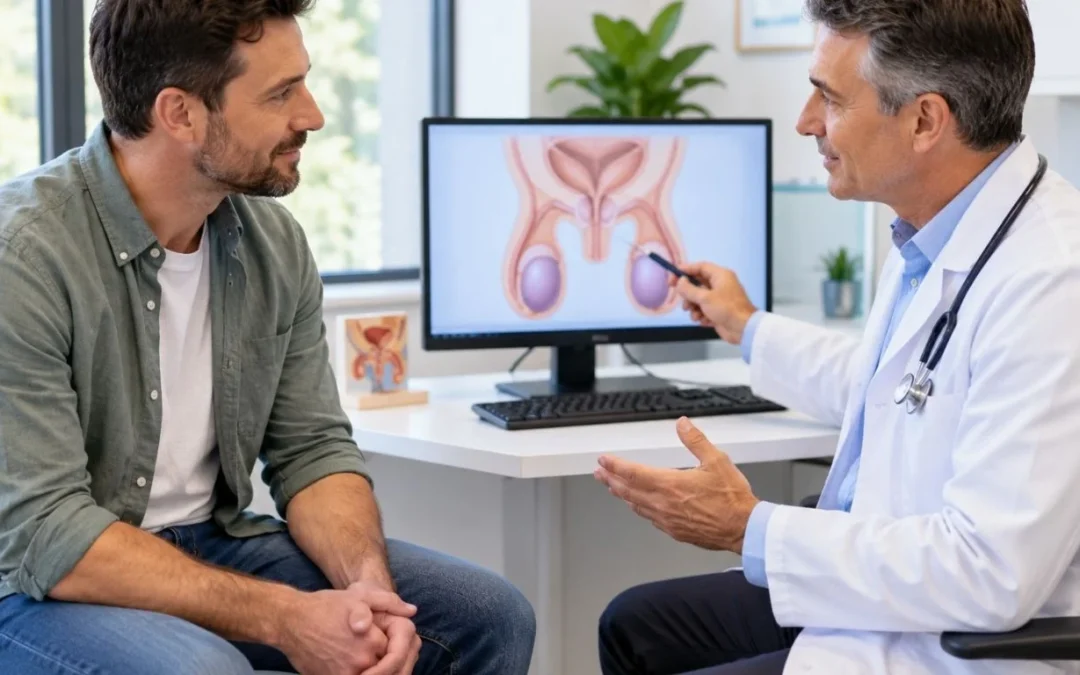
A vasectomy is a popular permanent contraception option for men who have decided not to have children in the future or do not want to have more children. However, despite its reputation as a relatively minor procedure, many men hesitate to book an appointment because they are worried about pain, needles, surgical instruments and recovery.
So, how painful is a vasectomy really? The honest answer is that most men experience some discomfort, but the procedure is generally well tolerated when appropriate local anaesthesia is used. You may feel a brief sting when the anaesthetic is administered, followed by pressure, movement or a dull pulling sensation during the procedure. Afterward, mild soreness, bruising and swelling can occur for several days.
For men considering vasectomy in Canberra, understanding what happens before, during and after the procedure can make the decision less stressful. This guide explains what vasectomy pain feels like, how discomfort is managed, what recovery involves and when medical advice may be necessary.
How Painful Is a Vasectomy Really During the Procedure?

A vasectomy is usually performed under local anaesthesia, which numbs the treatment area while you remain awake. Healthdirect explains that local anaesthesia prevents pain signals from being transmitted from the treated area, although pressure and movement may still be noticeable.
During a vasectomy, the doctor accesses the vas deferens, the small tubes that carry sperm from the testicles. These tubes are then cut and sealed to prevent sperm from entering the semen.
What Does the Anaesthetic Injection Feel Like?
For many men, the most uncomfortable part of the procedure is the administration of the local anaesthetic. You may notice a brief sting, pinch or burning sensation as the medicine is injected.
The discomfort usually settles as the area becomes numb. Once the anaesthetic takes effect, you should not experience sharp pain while the doctor performs the procedure. If you do feel pain, tell your doctor so they can assess whether additional anaesthetic is needed.
What Do You Feel During the Vasectomy?
Although the treated area is numbed, you may still notice sensations that do not necessarily indicate pain.
These can include:
- Mild pressure around the scrotum.
- A pulling or stretching sensation.
- Movement as the doctor handles the vas deferens.
- Awareness of the procedure taking place.
The experience varies between individuals. Some men report very little discomfort, while others find particular stages more uncomfortable than expected.
A useful distinction is that pressure and movement are not the same as sharp pain. You should feel comfortable telling your doctor if something hurts rather than trying to tolerate it silently.
Does a No-Scalpel Vasectomy Hurt Less?
A no-scalpel vasectomy is a technique that uses a small puncture rather than a conventional surgical incision to access the vas deferens. It is commonly performed under local anaesthesia.
Because the opening is small, this approach may reduce tissue disruption, wound-related discomfort and the need for stitches. However, it does not eliminate every source of pain, and individual experiences vary.
Understanding the Difference Between Techniques
With a conventional incision technique, the doctor makes one or more small cuts in the scrotal skin. With a no-scalpel technique, a specialised instrument creates a small opening through which the tubes can be accessed.
Both approaches aim to achieve the same outcome: preventing sperm from travelling through the vas deferens.
The best technique depends on your anatomy, medical history and the clinician’s training and experience. During a consultation, ask your vasectomy doctor in Canberra which approach they recommend and why.
It is also worth asking how the clinic manages discomfort during the procedure and what support is available if you experience pain afterward.
How Painful Is Recovery After a Vasectomy?

Once the local anaesthetic wears off, the treated area may feel sore, tender or bruised. Healthdirect identifies pain and swelling around the scrotum and groin as possible short-term effects after a vasectomy.
For many men, discomfort is most noticeable during the first few days and gradually improves. You may feel an ache when walking, changing position or moving more than usual.
Some men experience very little discomfort, while others need additional rest before returning to their usual routine.
What Is Normal During Early Recovery?
Common short-term symptoms can include:
- Mild aching or tenderness in the scrotum.
- Bruising around the treated area.
- Temporary swelling.
- Discomfort when moving or standing for extended periods.
- Sensitivity when the area is touched.
These symptoms should generally improve rather than become progressively worse.
Recovery time is not identical for everyone. Your activity level, the procedure performed and your individual healing response can influence how comfortable you feel during the first week.
How Long Does Vasectomy Pain Last?
Many men notice improvement over the first several days, although some tenderness may last longer.
You should avoid judging your recovery solely by a fixed number of days. Instead, pay attention to whether your symptoms are gradually settling and follow the aftercare instructions provided by your doctor.
If pain persists, increases or interferes significantly with everyday activities, arrange a medical review.
How Can You Reduce Pain After a Vasectomy?
Following your aftercare instructions is one of the most effective ways to manage discomfort and support healing.
1. Rest During the First 24–48 Hours
Plan to take things easy after the procedure. Avoid unnecessary walking, strenuous chores and activities that place pressure on the scrotum.
Rest does not mean you must remain completely motionless, but you should avoid doing too much too soon.
2. Wear Supportive Underwear
Supportive briefs or other comfortable, close-fitting underwear can limit movement around the scrotum and help reduce discomfort while walking.
Choose something supportive without being excessively tight. Follow any specific clothing or dressing instructions given by your clinic.
3. Use a Wrapped Cold Pack
A cold pack may help reduce swelling and discomfort during the first few days. Wrap it in a thin towel rather than placing ice directly against your skin.
Use it according to your clinic’s instructions, allowing breaks between applications. Avoid applying cold directly to the skin because the area may be sensitive.
4. Take Appropriate Pain Relief
Your doctor may recommend paracetamol or another suitable pain-relief option. Follow the product instructions and any advice you receive about your medical history or other medicines.
Do not assume that every over-the-counter medicine is appropriate after surgery. Ask your doctor or pharmacist before taking anti-inflammatory medicines if you are unsure, particularly if you use blood-thinning medication or have other health conditions.
5. Avoid Heavy Lifting and Strenuous Exercise
Running, cycling, weightlifting and physically demanding work can increase discomfort during early recovery.
Healthdirect advises avoiding strenuous exercise for approximately five to seven days after a bilateral vasectomy, although your clinician may recommend a different period depending on your circumstances.
Gradually return to normal activities when your symptoms have improved and your doctor says it is appropriate.
Can Anxiety Make a Vasectomy Feel More Painful?
Feeling nervous before a vasectomy is common. Some men worry about needles, the sensitivity of the area or the possibility of experiencing pain during surgery.
Anxiety can make physical sensations feel more intense and can make it harder to relax during a medical procedure. This does not mean that the pain is imaginary. It means that emotional preparation can be an important part of the overall experience.
How to Feel More Comfortable Before Your Appointment
Start by discussing your concerns openly with your doctor. Ask what the anaesthetic feels like, how long the procedure takes and what happens if you experience discomfort.
You may also find it helpful to:
- Understand each stage of the procedure beforehand.
- Ask the clinician to explain what is happening during treatment.
- Arrange transport if you feel anxious or have been advised not to drive.
- Follow the clinic’s preparation instructions carefully.
- Discuss additional support if you have a strong fear of needles or medical procedures.
A reassuring consultation should give you the opportunity to ask questions without feeling rushed.
Can a Vasectomy Cause Severe or Long-Term Pain?
Most men experience temporary discomfort rather than severe or lasting pain. However, a vasectomy is still a surgical procedure, and complications can occur.
Possible problems include bleeding, infection, a collection of blood in the scrotum, or a small lump associated with sperm leaking from the cut end of a vas deferens. Some men develop persistent scrotal or testicular pain after surgery.
Long-term pain is uncommon, but it is an important risk to discuss before deciding whether vasectomy is right for you.
When Should You Contact a Doctor?
Contact your healthcare provider if you experience:
- Severe pain that does not improve with recommended pain relief.
- Increasing or significant swelling.
- Marked redness around the wound.
- Fever or symptoms suggesting infection.
- Bleeding that concerns you.
- Pain that initially improves but then becomes worse.
Seek urgent medical assessment if symptoms are severe or rapidly worsening. Do not assume that significant pain is simply part of the healing process.
Early assessment can help identify complications and determine whether treatment is needed.
Does a Vasectomy Affect Testosterone or Sexual Performance?
Pain concerns are sometimes linked to worries about what a vasectomy might do to masculinity, sexual function or hormone levels.
A vasectomy blocks the tubes that carry sperm. It does not remove the testicles, which continue to produce testosterone. The procedure is not expected to prevent erections, reduce libido or stop ejaculation.
Semen continues to be produced, although sperm are prevented from travelling through the treated tubes.
These points are separate from recovery discomfort. While temporary soreness may affect your interest in sexual activity during the initial healing period, a vasectomy is not designed to change your long-term sexual function.
Your doctor can discuss any individual concerns before treatment.
What Should You Ask a Vasectomy Doctor in Canberra?

Choosing a clinician involves more than comparing appointment availability. You should understand the procedure, its risks and how the clinic will support you during recovery.
When speaking with a vasectomy clinic in Canberra, consider asking the following questions:
- Which vasectomy technique do you recommend for me?
- How is local anaesthesia administered?
- What should I expect to feel during the procedure?
- What options are available if I experience pain?
- Which pain-relief medicines are appropriate afterward?
- How long should I take off work?
- When can I resume exercise and other normal activities?
- Who should I contact if I develop concerning symptoms?
- When will I need a semen test to confirm the result?
The answers can help you understand whether the clinic’s approach matches your needs and expectations.
Look for a qualified practitioner who explains the procedure clearly, discusses potential complications honestly and provides accessible aftercare instructions.
Is a Vasectomy Worth It Despite the Pain?
For men who are confident that they do not want biological children in the future, vasectomy can offer effective, long-term contraception without requiring a daily routine or ongoing contraceptive medication.
However, it should be treated as a permanent decision. Reversal may be possible, but success is not guaranteed, so you should not choose vasectomy on the assumption that it can easily be undone.
The temporary discomfort associated with the procedure is one consideration among several. You should also consider your future family plans, personal circumstances, alternative contraception options and the risks explained by your doctor.
A consultation can help you make an informed decision without pressure.
Conclusion
So, how painful is a vasectomy really? For many men, the procedure is manageable with local anaesthesia. You may experience a brief sting from the anaesthetic injection, followed by pressure or pulling sensations rather than sharp pain. After the procedure, mild aching, bruising and swelling can occur as the area heals.
Rest, supportive underwear, wrapped cold packs and appropriate pain relief can help manage short-term discomfort. Most importantly, follow your clinician’s instructions and seek medical advice if pain becomes severe, swelling increases or recovery does not progress as expected.
If you are considering vasectomy in Canberra, speak with a qualified vasectomy doctor about the technique, pain management and aftercare options available to you. Understanding what to expect can help you approach the decision with greater confidence.
Frequently Asked Questions
Q1. Is a vasectomy more painful than people expect?
Pain experiences differ between individuals. Many men find the procedure more manageable than they anticipated because local anaesthesia numbs the treatment area. A brief sting from the anaesthetic and sensations of pressure or pulling may occur. Some soreness is also common afterward, so discussing pain management with your doctor beforehand can help you prepare.
Q2. How long does pain last after a vasectomy?
Mild aching, bruising and tenderness often improve over the first several days after a vasectomy. Some men need longer before the area feels completely comfortable. Rest, supportive underwear and suitable pain relief may help. If pain becomes severe, swelling increases or symptoms fail to improve, contact your healthcare provider for an assessment.
Q3. Does a no-scalpel vasectomy hurt less?
A no-scalpel vasectomy uses a small puncture rather than a conventional incision to access the vas deferens. It may reduce tissue disruption and wound-related discomfort, but it does not guarantee a pain-free experience. Local anaesthesia remains important. Ask your vasectomy doctor which technique is appropriate for your circumstances and how discomfort will be managed.
Q4. Can I walk or work the day after a vasectomy?
Some men can return to light daily activities relatively quickly, but recovery depends on the procedure, discomfort and type of work performed. Desk-based work may be easier than a job involving heavy lifting, prolonged standing or physical exertion. Follow your doctor’s advice, take time to rest and avoid strenuous activity until you are cleared to resume it.
Q5. When should I worry about pain after a vasectomy?
Mild tenderness can occur during recovery, but severe or worsening pain needs medical attention. Contact your healthcare provider if you develop significant swelling, marked redness, fever, persistent bleeding or pain that does not improve with recommended medication. Prompt assessment is important because these symptoms may indicate a complication that requires treatment rather than routine recovery care.
Book Your Vasectomy Consultation in Canberra Today
Contact Canberra Vasectomy Clinic to discuss pain management, the procedure and recovery with an experienced medical team.
| Canberra Vasectomy Clinic- Green Way | Canberra Vasectomy Clinic- Molonglo Valley |
| Phone: (02) 5114 3510 | Phone: (02) 5114 3510 |
| Email:reception@greenwaymedicalcentre.com.au | Email: reception@greenwaymedicalcentre.com.au |
| Address: Unit 6/175 Anketell Street, Greenway ACT 2900 | Address: 110 Woodberry Ave Coombs ACT 2611 |
| Website:https://canberravvasectomyclinic.com.au | Website:https://canberravvasectomyclinic.com.au |