
Recovering after a vasectomy is usually straightforward, but knowing what to expect each day can help you feel more confident and prepared. Most men experience mild discomfort, swelling or bruising during the first few days, followed by gradual improvement as the body heals. Following your doctor’s aftercare instructions and allowing enough time for rest can make the recovery process more comfortable.
For men considering a vasectomy in Canberra, understanding the Vasectomy Recovery Timeline is an important part of preparing for the procedure. Whether you are planning time away from work, arranging transport or deciding when to return to exercise, having realistic recovery expectations can help you plan ahead.
At Canberra Vasectomy Clinic, patients can discuss their procedure, recovery requirements and follow-up care with an appropriately qualified medical professional. Although recovery varies between individuals, this guide explains the typical day-by-day process, practical aftercare advice and important signs that may require medical attention.
Understanding the Vasectomy Recovery Timeline
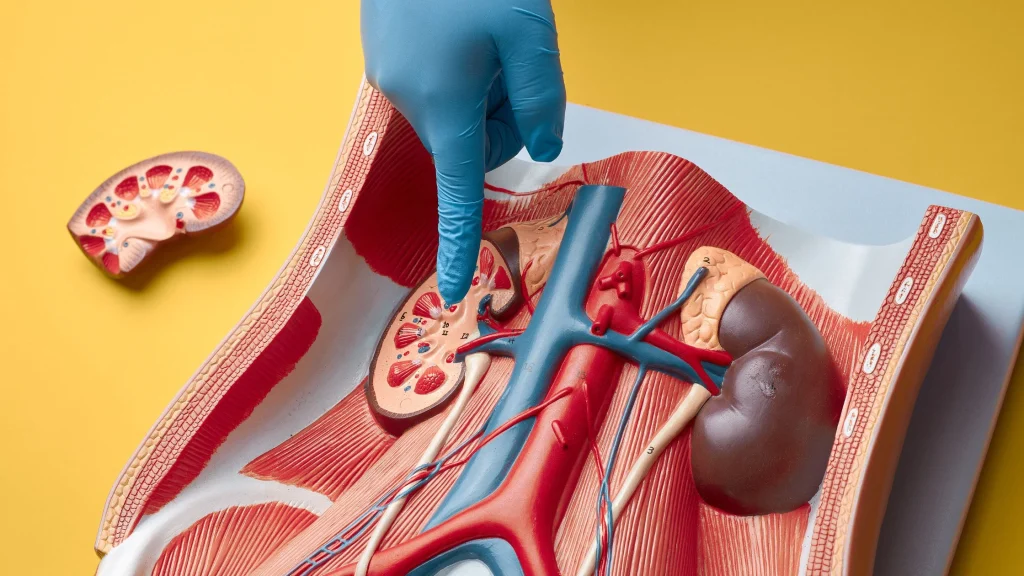
A vasectomy is a minor surgical procedure that provides permanent contraception by cutting or sealing the vas deferens, the tubes that carry sperm from the testicles. The procedure does not remove the testicles or usually affect testosterone production, sexual desire or the ability to achieve an erection.
Most men can resume light daily activities within a few days, depending on their symptoms and their doctor’s advice. However, complete healing takes longer, and strenuous exercise, heavy lifting and other physically demanding activities may need to be avoided for approximately one to two weeks.
It is also important to understand that recovery from surgery and confirmation of sterility are two different things. A vasectomy does not provide immediate protection against pregnancy. You must continue using contraception until your doctor confirms that your post-vasectomy semen analysis meets the required clearance criteria.
Vasectomy Recovery Timeline: Day-by-Day Guide
Day 1: Rest and Protect the Surgical Area
The first 24 hours are generally the most important period for rest. Once your vasectomy is complete, you may experience tenderness, mild swelling or a bruised sensation around the scrotum. These symptoms are common and do not necessarily indicate a complication.
Plan to spend most of the day resting at home. Avoid unnecessary walking, prolonged standing, lifting and strenuous household activities. If your doctor recommends an ice pack, apply it according to their instructions, using a cloth barrier to protect your skin.
Supportive underwear may help reduce movement and discomfort. Follow your clinician’s advice about wound care, showering and pain relief. If you receive sedation or medication that affects alertness, follow the instructions about driving and arrange transport as required.
Day 2: Manage Mild Discomfort and Swelling
During the second day, you may still notice tenderness, bruising or some swelling. Symptoms can vary, and a small amount of discomfort does not automatically mean that healing is progressing poorly.
Continue resting and avoid activities that put pressure on the scrotum. Wear supportive underwear if comfortable, and take prescribed or recommended pain relief only as directed by your healthcare professional.
Some men with desk-based jobs may feel capable of returning to work after a day or two, while others benefit from additional rest. Your decision should depend on your symptoms, job requirements and medical advice rather than a fixed timetable.
Day 3: Gradually Resume Light Activities
By the third day, many men notice that discomfort is beginning to improve. You may be able to walk around the house more comfortably and resume simple daily tasks if your symptoms allow.
However, improvement does not mean that the surgical area has completely healed. Avoid running, cycling, gym workouts, heavy lifting and vigorous physical activity during the initial recovery period.
If you work at a desk, returning to work may be reasonable if you feel comfortable and your clinician has not advised otherwise. Men whose jobs involve construction, manual handling or extended physical activity may need more time away from work.
Days 4–5: Monitor Progress and Avoid Overexertion
During days four and five, tenderness and swelling should generally be settling rather than worsening. Some bruising or sensitivity may remain, and individual recovery times differ.
You can gradually increase ordinary movement if you feel comfortable. Nevertheless, avoid testing your recovery by lifting heavy objects, exercising intensely or undertaking activities that cause scrotal discomfort.
Pay attention to your body’s response. If an activity increases pain or swelling, stop and allow more time for recovery. Contact your doctor if symptoms are worsening, persistent or concerning instead of following the expected pattern of improvement.
Days 6–7: Return Towards Your Normal Routine
By the end of the first week, many men can manage most light daily activities with less discomfort. Depending on the procedure and your recovery, you may be able to resume certain normal routines.
Sexual activity and ejaculation are commonly postponed for around five to seven days, but you should follow your treating clinician’s specific advice and wait until you feel comfortable. If you still have pain, swelling or wound concerns, allow more time and seek medical guidance.
Remember that being comfortable enough to resume sexual activity does not mean you are sterile. Continue using contraception until your semen analysis confirms clearance.
Week 2: Gradually Increase Physical Activity
During the second week, many men are approaching their usual level of comfort. If the wound is healing well and symptoms have settled, your doctor may allow you to gradually return to more demanding activities.
Avoid rushing back into heavy weightlifting, contact sports or vigorous exercise before you have been advised that it is safe. A gradual return is preferable to suddenly resuming your full routine.
If you continue to experience significant discomfort or swelling, arrange a medical review rather than assuming that all symptoms are normal. Your recovery plan should be based on your clinical condition and the advice of your treating doctor.
Weeks 3–4 and Beyond: Follow-Up and Semen Testing
By this stage, most men have recovered from the immediate effects of the procedure. However, the timing of follow-up semen testing depends on your clinician’s instructions and the testing protocol used by the clinic.
A post-vasectomy semen analysis checks whether sperm remain in the ejaculate. Some men require additional testing before clearance can be given.
Do not stop using contraception simply because several weeks have passed or because you feel completely recovered. Follow your doctor’s advice until you receive confirmation that you can rely on the vasectomy for contraception.
Factors That Can Affect Your Recovery

Although the typical Vasectomy Recovery Timeline provides a useful guide, several factors may influence how quickly you recover.
The Type of Work You Do
Desk-based work generally places fewer physical demands on the body than construction, warehouse work, landscaping or jobs involving heavy lifting. Men with physically demanding occupations may need additional time off or modified duties.
Plan your return to work around your symptoms and your clinician’s recommendations.
The Procedure and Individual Healing
The technique used, your medical history and your body’s response to the procedure can affect recovery. Some men experience minimal bruising and discomfort, while others need more time before feeling comfortable.
Your vasectomy doctor in Canberra can explain the expected recovery period for your circumstances and provide personalised aftercare instructions.
Physical Activity and Aftercare
Returning to strenuous exercise too early can increase discomfort and may contribute to swelling or bleeding. Resting initially, wearing supportive underwear if recommended and following wound-care instructions can help you recover more comfortably.
Avoid using another person’s recovery experience as a reason to ignore your own symptoms.
Existing Medical Conditions and Medications
Certain health conditions and medications can influence bleeding risk or healing. Tell your doctor about your medical history, allergies and all medicines or supplements you take before your procedure.
Do not stop prescribed medication, particularly blood-thinning medication, unless your healthcare professional specifically advises you to do so.
Essential Aftercare Tips for a Comfortable Recovery
A few practical steps can make the first week easier.
Prioritise rest: Keep your schedule light during the initial 24–48 hours, or longer if advised.
Wear supportive underwear: Gentle support may reduce movement and discomfort around the scrotum.
Use cold packs safely: If recommended, apply a wrapped cold pack for the duration advised by your clinician. Never place ice directly against your skin.
Follow wound-care instructions: Ask when you can shower, how to care for the dressing and when any wound coverings should be removed.
Take medication correctly: Use pain relief as directed by your healthcare professional, taking your medical history into account.
Avoid strenuous exercise: Wait until your doctor advises that heavier activity is appropriate and your symptoms have settled.
Attend follow-up appointments: Complete the recommended semen testing and follow all instructions about contraception.
These steps support recovery, but they do not replace individual medical advice.
Warning Signs During Vasectomy Recovery
Mild tenderness, bruising and limited swelling can occur after a vasectomy. However, certain symptoms require prompt medical assessment.
Contact your doctor if you experience:
- Pain or swelling that is increasing rather than improving.
- Significant or persistent bleeding.
- Increasing redness, warmth or discharge around the wound.
- Fever or chills.
- A growing lump or substantial swelling in the scrotum.
- Pain that is not controlled by the recommended medication.
Seek urgent medical attention for severe or rapidly worsening pain, substantial scrotal swelling, heavy bleeding or other serious symptoms. Do not wait for a scheduled follow-up appointment if you are concerned about a complication.
Early assessment can help identify problems and determine whether additional treatment is needed.
Returning to Work, Exercise and Sexual Activity
Planning your return to everyday activities is an important part of recovery. There is no single timetable that suits every patient, but the following general guide can help you prepare.
Returning to Work
Men with sedentary jobs may be able to return within one to three days, depending on comfort and medical advice. Physically demanding jobs may require several additional days or longer away from heavy duties.
Arrange suitable leave in advance and ask your clinician when it is safe to resume your particular work activities.
Resuming Exercise
Light walking can usually be introduced gradually as comfort allows. Running, cycling, heavy lifting, gym workouts and contact sports should be postponed during the initial healing period, often for around one to two weeks.
Your treating doctor may recommend a different timeframe depending on your procedure, symptoms and activity level.
Resuming Sexual Activity
Sexual activity is commonly postponed for approximately five to seven days, or longer if discomfort persists or your clinician advises it. Resume only when you feel comfortable and have followed your aftercare instructions.
Most importantly, a vasectomy does not provide immediate contraception. Continue using another reliable method until your doctor confirms that your semen test results meet the clearance requirements.
Why Follow-Up Care Matters After a Vasectomy
Follow-up care helps ensure that healing is progressing appropriately and that the vasectomy has achieved its intended contraceptive effect.
Your clinician may explain when to arrange a semen analysis, how to provide the sample and whether further testing is required. The timing varies according to the clinic’s protocol and your individual circumstances.
A satisfactory result is essential before you rely on the vasectomy for contraception. Rarely, sperm may remain present or the tubes may reconnect, which is why follow-up instructions must be taken seriously.
When choosing a vasectomy clinic in Canberra, ask about aftercare arrangements, access to medical advice if symptoms arise and the process for confirming contraceptive clearance.
Choosing a Vasectomy Doctor in Canberra
Choosing an appropriately qualified and experienced vasectomy doctor in Canberra involves more than considering the procedure itself. Patients should understand the clinician’s qualifications, the technique being offered, the risks involved and the support available during recovery.
Before booking, consider asking:
- What recovery period should I plan for?
- When can I return to my specific job?
- How should I manage discomfort and swelling?
- Who should I contact if I develop concerning symptoms?
- When will my semen analysis be required?
- How will I know when contraceptive clearance has been confirmed?
A consultation gives you the opportunity to discuss your medical history, expectations and practical recovery arrangements before making an informed decision.
Canberra Vasectomy Clinic can be a starting point for discussing your vasectomy needs, the procedure and the aftercare information relevant to your circumstances.
Conclusion
The Vasectomy Recovery Timeline usually involves a few days of rest, gradual improvement during the first week and a progressive return to normal activities over the following one to two weeks. However, individual recovery depends on the procedure, physical demands, symptoms and your doctor’s recommendations.
Planning time away from strenuous work, following aftercare instructions and recognising warning signs can help you approach recovery with greater confidence. Remember that feeling better does not mean that the vasectomy has immediately become effective.
If you are considering a vasectomy in Canberra, speak with Canberra Vasectomy Clinic about the procedure, expected recovery, follow-up care and semen testing requirements. Understanding each stage before your appointment can help you prepare for a smoother recovery.
| Canberra Vasectomy Clinic- Green Way | Canberra Vasectomy Clinic- Molonglo Valley |
| Phone: (02) 5114 3510 | Phone: (02) 5114 3510 |
| Email:reception@greenwaymedicalcentre.com.au | Email: reception@greenwaymedicalcentre.com.au |
| Address: Unit 6/175 Anketell Street, Greenway ACT 2900 | Address: 110 Woodberry Ave Coombs ACT 2611 |
| Website:https://canberravvasectomyclinic.com.au | Website:https://canberravvasectomyclinic.com.au |