

Many men considering permanent contraception have questions about how a vasectomy may affect their hormones. One of the most common concerns is whether vasectomy and testosterone are connected, particularly whether the procedure can lower testosterone levels, affect masculinity, reduce sexual function, or cause hormonal changes.
These concerns are understandable because a vasectomy involves the reproductive system. However, the tubes treated during a vasectomy have a different role from the organs responsible for testosterone production. Understanding this distinction can help men in Canberra make a more informed decision about permanent contraception.
What Is a Vasectomy?

Vasectomy is a surgical procedure for men to make them permanently infertile. While performing the procedure, the tubes that carry sperm from the testicles are blocked or severed, and the sperm are no longer able to enter the semen.
What’s important is that a vasectomy is not an operation to remove the testicles and does not impair their normal functions. The testicles will continue to make sperm and testosterone after the procedure.
Hormone production and sperm pathway are thus two aspects of male reproductive health. Blocking the sperm-carrying tubes does not mean that testosterone production is switched off.
Vasectomy and Testosterone: Is There a Direct Connection?
The relationship between vasectomy and testosterone is often misunderstood.
Special cells in the testicle are responsible for the production of most of the body’s testosterone. A vasectomy will aim at the vas deferens, the tubes that carry sperm. As this procedure does not normally interfere with the actual testosterone-producing cells, it is not expected to disrupt the flow of testosterone.
Just because there is a block in the vas, it does not usually cause a significant drop in the levels of testosterone.
Men can still have normal functions related to testosterone, such as maintaining muscle mass, bone health, sex drive and male physiology.
Does Vasectomy Lower Testosterone Levels?
The prevailing view in medicine is that a routine vasectomy does not have a significant effect on the level of testosterone.
This is done to block sperm from passing through the reproductive system. The production of testosterone is made separately and there is no intention to interrupt the hormonal system.
However, it is important to differentiate between the person’s symptoms and their testosterone level. Men can feel tired and unmotivated, have lowered libido or a variety of other complaints for a number of reasons. This does not automatically indicate that a previous vasectomy has impacted the production of the level of testosterone.
When symptoms persist, it is better to talk to your medical professional than assume that the symptoms are due to a vasectomy.
Does a Vasectomy Affect Sex Drive?
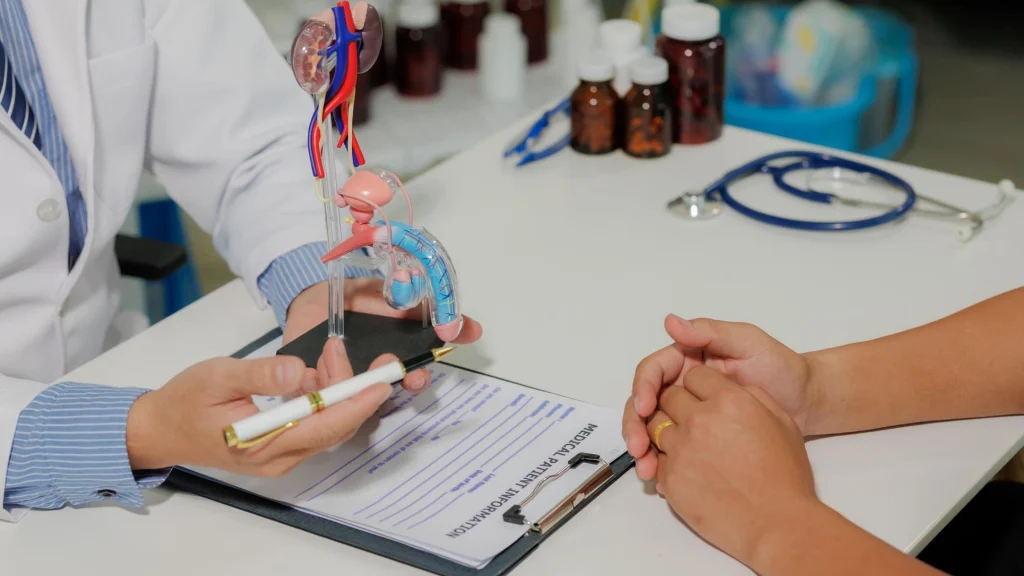
Some other frequent questions about vas and Testosterone are whether it lowers sexual desire.
Testosterone production will not, in general, stop because of a vas and there is no direct hormonal suppression of libido. The passion for sex can change with the years, and can be affected by stress, sleep, relationships, medication, lifestyle, age and overall health.
The psychological aspect is also very important. For some men, after the successful vasectomy, the topic of contraception is less intimidating because they are not as worried about an unwanted pregnancy. Some people may have anxiety about the procedure or about recovering from it, which can temporarily impact sexual confidence.
A vasectomy is not meant to affect a man’s sexual desire or identity.
Will a Vasectomy Affect Erections?
A vasectomy doesn’t usually affect the physical processes that cause an erection.
Erection occurs as a result of a mix of blood flow, nerves, hormones and psychological factors. Vasectomy treatment works on the vas which are not used to make an erection, but are more used to carry sperm.
Depending on the suggestions of their clinician, some men may choose to refrain from sexual activity during recovery. This should not be confused with a permanent loss of erectile function.
If erectile problems persist beyond recovery period or if they occur without recovery period, these should be evaluated as a distinct health problem.
Does Ejaculation Change After Vasectomy?
However, a vasectomy will not prevent sperm from being included in the semen, but will prevent it from being removed.
The glands, like the prostate and the seminal vesicles, contribute most of the fluid found in semen. Sperm is only part of the semen.
Therefore, after a vasectomy men typically continue to have an ejaculation. Because semen does not account for the majority of volume, the volume and appearance may not seem to change significantly to the naked eye.
The method is not the same as preventing ejaculation and/or inhibiting the manufacture of male hormones in the body.
Can Testosterone Still Be Produced After Vasectomy?
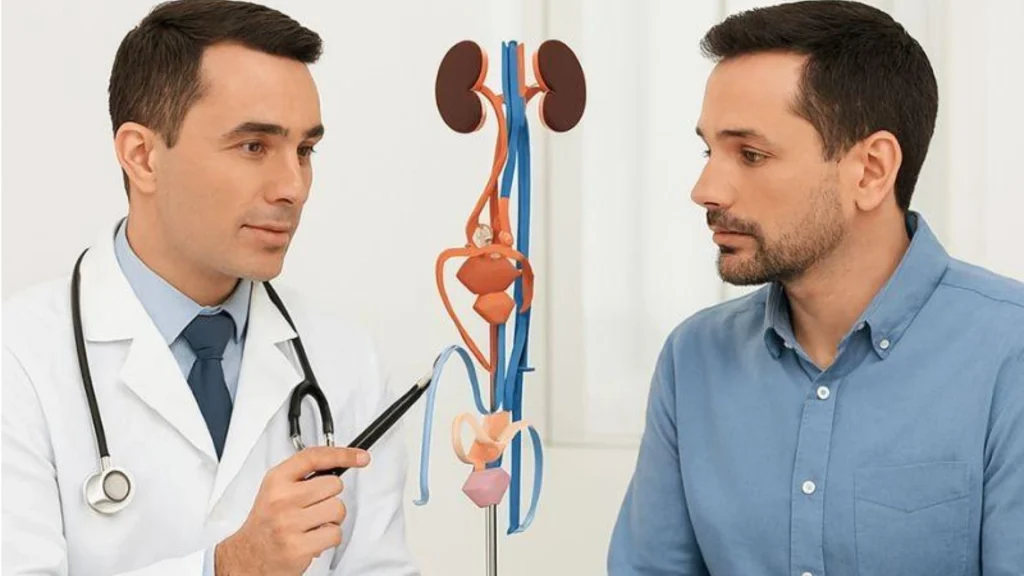
Yes. The testicles continue to perform their normal hormonal role following vasectomy.
The body’s hormonal system involves communication between the brain, pituitary gland and testicles. Testosterone production is regulated through this system rather than through the movement of sperm along the vas deferens.
A vasectomy changes the route sperm takes through the reproductive system. It does not intentionally shut down the hormonal signals responsible for testosterone production.
This is why concerns about vasectomy and testosterone should be considered separately from concerns about fertility. A man can remain hormonally functional while being unable to naturally cause a pregnancy after successful vasectomy.
Vasectomy Does Not Mean Immediate Sterility
Although testosterone production continues after vasectomy, the procedure does not provide immediate confirmation of infertility.
Sperm can remain in the reproductive tract for a period after the procedure. For this reason, men must follow their clinician’s instructions about alternative contraception until testing confirms that the vasectomy has been successful.
A semen analysis is commonly used to check whether sperm remains in the semen. The timing and number of tests can vary according to clinical advice.
This distinction is important: hormonal function and fertility status are not the same thing.
What Happens to Sperm After Vasectomy?
Testicles still make sperm after vasectomy. The difference is, sperm can’t move through the blocked pathway as it normally would.
If sperm is not released the body will naturally break it down and reabsorb it. Testosterone does not need to stop being produced in this process.
Thus, vasectomy should be considered as an alteration in the transport of sperm, not an interruption or cessation of testicle activity.
This can help you to understand how vasectomy and testosterone are connected.
Does Vasectomy Affect Masculinity?
Some men associate fertility with masculinity, so the idea of permanent contraception can raise emotional concerns.
However, fertility and masculinity are not the same thing. A vasectomy does not remove the testicles and is not intended to eliminate testosterone production, sexual desire or erectile function.
The decision to have a vasectomy is primarily a decision about contraception and future reproductive plans.
For men who have completed their families or are confident that they do not want biological children in the future, vasectomy can be considered as one permanent contraception option.
What If You Experience Low-Testosterone Symptoms?
It’s important not to jump to the conclusion that if you experience symptoms typical of low testosterone, it’s because of vasectomy.
Symptoms can include continued tiredness or loss of libido, mood changes, decreased muscle strength or other physical symptoms. They may come from many of the following factors: sleep difficulties, stress, medications, lifestyle and underlying health issues.
Your doctor can examine you and decide if it’s necessary to do more tests. Blood testing can be used to get information on your hormone level if clinically indicated.
Medical evaluation is a better indicator than assumptions of vas and testosterones.
Talking to a Doctor Before a Vasectomy
A pre-procedure consultation will be held to discuss your medical history, reproductive plans and concerns regarding permanent contraception.
Specific questions can be asked about Testosterone, libido, erections, semen, sex fertility testing and recovery. Your clinician can also describe the process and if there are any personal items that should be taken into account before going through the process.
If men prefer to have the consultation from a distance, a Telehealth GP appointment could be a suitable option to have general questions answered and discuss what kind of consultation is appropriate.
A telehealth appointment may be helpful before going to a clinic face-to-face to discuss concerns. However, some evaluation or treatment might still need an actual checkup.
Telehealth Consultation for Vasectomy Questions
A telehealth consultation can prepare men for their conversation about vasectomy and reproductive health.
You might have the opportunity to talk about your questions regarding permanent contraception, medical history and concerns about testosterone during a remote consultation. The GP may suggest an appointment or referral to an appropriate clinician, depending on the situation.
While not a substitute for all health services, telehealth can be a good place for men to begin seeking advice and information before deciding on a service.
Whilst remote medical advice is useful, it may be useful to come together with someone in person where needed if a man is considering vasectomy for Canberra.
When Should You Consider Medical Advice?
Speak with a qualified healthcare professional if you have concerns about hormonal symptoms, sexual function or changes in your health, whether they occur before or after vasectomy.
You should also seek advice if you are uncertain about whether permanent contraception is right for you. A vasectomy is intended to be permanent, so the decision should be based on your current and future reproductive plans rather than temporary circumstances.
A medical consultation can help you understand the benefits, limitations, risks and alternatives before making a decision.
Vasectomy and Testosterone: The Key Takeaway

The main concern about vasectomy and testosterone is whether blocking sperm transport can interfere with male hormone production. In a routine vasectomy, the procedure targets the vas deferens rather than the testosterone-producing cells of the testicles.
Therefore, vasectomy is not intended to stop testosterone production or cause a loss of male hormonal function. It also does not normally prevent erections or ejaculation.
However, every man’s health circumstances are different. If you have concerns about testosterone, libido, fertility or sexual function, discussing them with a qualified medical professional can provide individualised guidance.
For men in Canberra considering permanent contraception, understanding exactly what a vasectomy changes — and what it does not — can make the decision more informed and confident.
Conclusion
Understanding vasectomy and testosterone is an important part of making an informed decision about permanent contraception. A vasectomy blocks or interrupts the tubes that transport sperm, while testosterone production continues in the testicles. Because these functions occur through different parts of the reproductive system, vasectomy is not designed to stop testosterone production.
Men should also remember that fertility, testosterone, sexual desire and erectile function are separate areas of male health. If you have concerns about any of these after a vasectomy, professional medical assessment can help identify the actual cause.
For Canberra men considering permanent contraception, discussing your reproductive goals and medical questions with an experienced healthcare professional can help you understand whether vasectomy is appropriate for your circumstances.
Frequently Asked Questions
Q1. Does vasectomy reduce testosterone?
A routine vasectomy is not expected to significantly reduce testosterone because the procedure targets the vas deferens, which transport sperm, rather than the testosterone-producing cells of the testicles. Testosterone production normally continues after the procedure. If you experience symptoms that concern you, such as persistent fatigue or reduced libido, speak with a healthcare professional for appropriate assessment.
Q2. Can vasectomy affect male sex drive?
Vasectomy is not intended to reduce male sex drive because it does not normally stop testosterone production. Libido can be influenced by many factors, including stress, sleep, relationships, medications, general health and psychological wellbeing. If your sex drive changes persistently after vasectomy, a doctor can help determine whether another factor may be contributing.
Q3. Will I still ejaculate after a vasectomy?
Yes. A vasectomy does not normally stop ejaculation. The procedure prevents sperm from travelling through the vas deferens, while semen continues to be produced by the reproductive glands. Because sperm contributes only a small portion of semen, most men do not notice a major visible change in their ejaculate following a successful vasectomy.
Q4. Does vasectomy cause erectile dysfunction?
Vasectomy is not designed to interfere with erections because the procedure involves the sperm-carrying tubes rather than the structures responsible for erectile function. Temporary changes in sexual activity can occur during recovery. Persistent erectile difficulties should be discussed with a healthcare professional because they can have many possible physical, psychological or medication-related causes.
Q5. Can I discuss vasectomy and testosterone through Telehealth?
A Telehealth GP appointment can be a convenient way to discuss general questions about vasectomy, testosterone and permanent contraception. A GP may review your concerns and medical history and advise whether an in-person assessment is needed. Depending on your circumstances, a telehealth consultation may form part of the process rather than replacing all face-to-face care.
Ready to Discuss Your Vasectomy?
Book a consultation with Canberra Vasectomy Clinic to discuss vasectomy, testosterone, and your permanent contraception options with confidence.
| Canberra Vasectomy Clinic- Green Way | Canberra Vasectomy Clinic- Molonglo Valley |
| Phone: (02) 5114 3510 | Phone: (02) 5114 3510 |
| Email:reception@greenwaymedicalcentre.com.au | Email: reception@greenwaymedicalcentre.com.au |
| Address: Unit 6/175 Anketell Street, Greenway ACT 2900 | Address: 110 Woodberry Ave Coombs ACT 2611 |
| Website:https://canberravvasectomyclinic.com.au | Website:https://canberravvasectomyclinic.com.au |