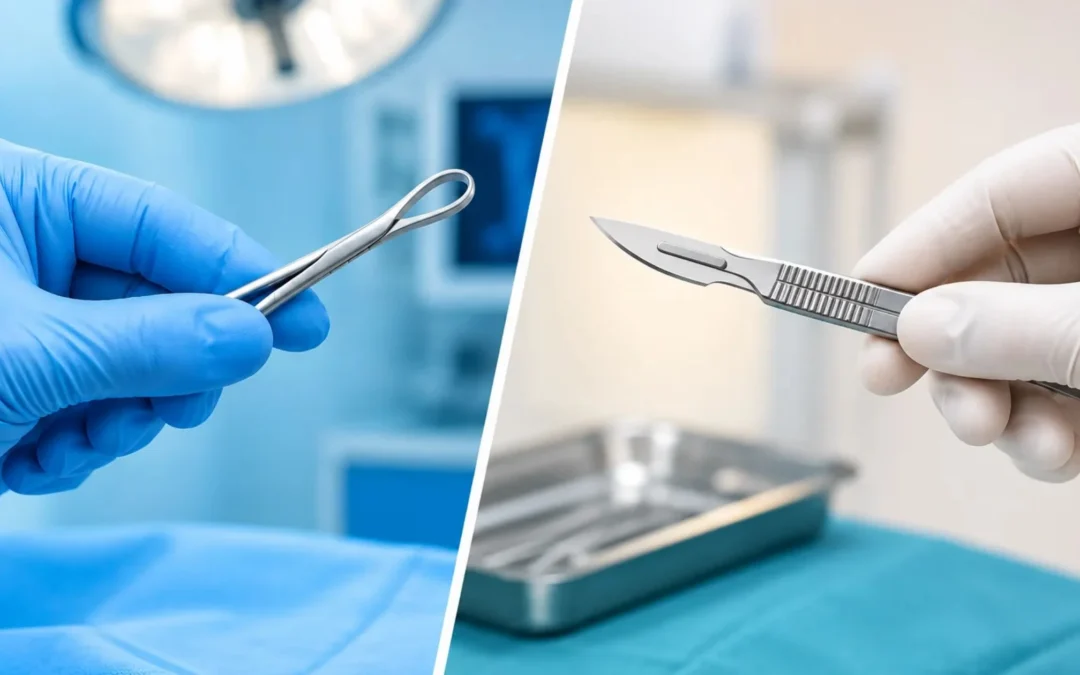
Choosing the right vasectomy technique is an important step for men considering permanent contraception. Although both no-scalpel and traditional vasectomy procedures are designed to prevent sperm from entering the semen, they differ in how the doctor accesses the vas deferens. Understanding these differences can help you make an informed decision and feel more confident before your procedure.
For men exploring a No-Scalpel Vasectomy in Canberra, it is important to understand the procedure, recovery expectations, potential risks and long-term effectiveness. While no-scalpel vasectomy is often associated with less tissue disruption and a more comfortable early recovery, traditional vasectomy may still be appropriate for certain patients.
At Canberra Vasectomy Clinic, patients can discuss their vasectomy options, medical suitability and aftercare requirements with an appropriately qualified medical professional. This guide explains the differences between the two techniques and what you should consider before choosing a vasectomy.
Quick Summary: No-Scalpel vs Traditional Vasectomy

- Access: No-scalpel uses a small puncture opening, while traditional vasectomy uses small incisions in the scrotal skin.
- Early recovery: No-scalpel is generally associated with less bleeding, bruising and early discomfort.
- Stitches: The small opening from a no-scalpel vasectomy typically closes on its own, while traditional incisions may need to be closed.
- Effectiveness: Both techniques can be highly effective when performed appropriately.
- Clearance: Neither technique provides immediate contraception. You must continue using another method until your doctor confirms clearance through semen analysis.
Understanding Vasectomy as a Permanent Contraception Option
Vasectomy is a simple surgical procedure that is a permanent contraceptive option for males. It works by blocking the tubes (the vas deferens) which transport sperm from the testicles to the reproductive tract.
During the procedure, the doctor cuts, seals or otherwise blocks the vas deferens. This means that sperm is not able to move into the semen during ejaculation.
The removal of the testicles is not part of a vasectomy. Testosterone production is usually unaffected, and the procedure should not have any impact on sexual desire, erections or sexual climax.
However, a vasectomy should be considered a lifelong commitment. While reversal surgery is sometimes possible, it does not always result in the recovery of fertility.
If you are thinking about having a vasectomy, you should talk to your doctor about your plans for the future, your medical history and your expectations.
What Is a Traditional Vasectomy?
A conventional vasectomy is a well-established surgical procedure in which the doctor makes a small incision in the scrotal skin to reach the vas.
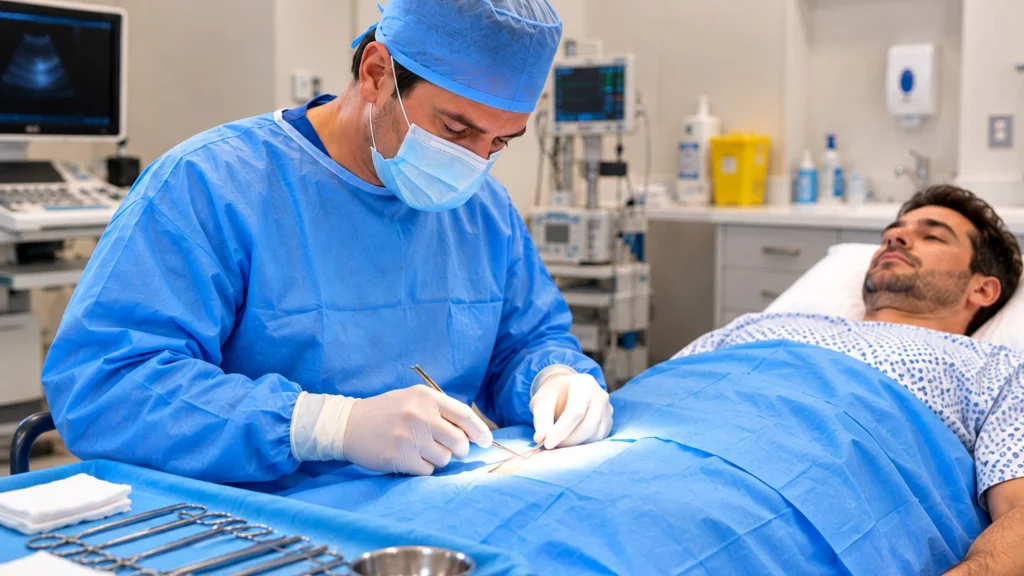
The treatment is usually done under local anaesthetic to numb the area being treated. After the area has been numbed, the doctor makes small cuts and identifies the tubes that carry sperm.
Each vas is divided using a suitable surgical technique. This can be done by cutting, removing a small portion, sealing the ends or other means to minimise the chance of the tubes reconnecting. Depending on the technique used by the doctor, the incisions may be stitched together or left open to heal.
How Traditional Vasectomy Is Performed
The process typically includes the following steps:
- The doctor administers a local anaesthetic to numb the scrotum.
- Small cuts are made in the skin.
- The vas deferens is located and accessed.
- The selected surgical technique is performed to interrupt the tubes.
- The incisions are closed or left to heal, depending on the surgeon’s technique.
Traditional vasectomy has been carried out for a long time and is a reliable technique for permanent male contraception.
Potential Benefits of Traditional Vasectomy
Traditional vasectomy has a number of practical benefits under certain clinical conditions. The doctor can gain direct access to the vas through small incisions, which can be helpful if the structure is hard to reach or if a standard surgical approach is considered more appropriate.
Potential benefits include:
- A commonly used surgical procedure that has been in use for a long time.
- Direct access to the vas.
- Flexibility in dealing with some anatomical situations.
- Suitability for an incision-based approach when clinically indicated.
The most appropriate method will vary from patient to patient and doctor to doctor.
What Is a No-Scalpel Vasectomy?
No-scalpel vasectomy is a surgical procedure in which the doctor makes a minimal opening in the skin to reach the vas.
Although the name refers to the absence of a scalpel, a small opening is still made in the scrotum using special instruments. The surgeon gently brings the vas through this opening so it can be divided using one of several possible methods. The opening is normally left open and does not need stitches.
How No-Scalpel Vasectomy Is Performed
The process is usually performed in the following stages:
- A local anaesthetic is given to numb the area where the treatment will be carried out.
- The doctor locates and stabilises the vas deferens.
- A special instrument makes a tiny opening in the skin of the scrotum.
- The opening provides access to the vas.
- An appropriate technique of occlusion is used to interrupt the tube.
- The small opening closes on its own.
This technique is well known to be associated with less tissue disruption than conventional incision-based access.
Potential Benefits of No-Scalpel Vasectomy
No-scalpel vasectomy is significantly more popular because it may have some benefits over standard incision-based methods. Potential benefits include:
- A smaller opening in the scrotal skin.
- Minimised disruption of tissue during access.
- Reduced bleeding and bruising in many patients.
- Reduced likelihood of needing stitches.
- Potential for an easier early recovery.
However, these benefits are not the same for every patient. Results vary from person to person depending on the procedure used, the doctor’s skill and the patient’s healing ability.
No-Scalpel Vasectomy Canberra: Understanding the Main Differences
The differences between the two methods are significant for men who are thinking about a No Scalpel Vasectomy in Canberra, and understanding them may help you prepare for your consultation.
| Factor | No-Scalpel Vasectomy | Traditional Vasectomy |
|---|---|---|
| Surgical access | Small puncture opening made with a special instrument | Small incisions in the scrotal skin |
| Bleeding and bruising | Generally less | Slightly higher risk |
| Stitches | Typically not required | May be needed, depending on incision size and technique |
| Early discomfort | May be less in some patients | Varies between patients |
| Recovery | Light activity within a few days; strenuous activity avoided for about 1–2 weeks | Light activity within a few days; strenuous activity avoided for about 1–2 weeks |
| Effectiveness | Highly effective when performed appropriately | Highly effective when performed appropriately |
Surgical Access and Incisions
The main difference between the procedures is the approach the doctor uses to reach the vas. In traditional vasectomy, the surgeon makes small cuts in the scrotal skin. No-scalpel vasectomy uses a special instrument that makes a small puncture opening instead of the standard incision.
With both methods it is possible to gain access to and divide the vas. The technique may vary depending on the patient’s anatomy and the clinical opinion of the doctor.
Bleeding and Bruising
Less tissue disruption is usually associated with no-scalpel vasectomy, which is generally known to cause less bleeding and bruising. There is a slightly higher risk of bleeding or bruising where the surgeon cuts into the skin during a traditional vasectomy.
Bleeding and bruising may occur with both methods, however. Your doctor should explain the risks and the measures taken to reduce them.
Pain and Discomfort
Both operations are typically done under local anaesthetic. Some patients may have less pain during the initial recovery phase following a no-scalpel vasectomy, but experiences vary and may be influenced by the method used to divide the vas.
It is important to note that no surgery, including no-scalpel vasectomy, is completely painless. Some pressure or movement will be felt during the procedure, and there may be some tenderness or swelling afterwards.
Wound Healing
The small puncture opening made for a no-scalpel vasectomy typically doesn’t require stitches to heal. With a traditional vasectomy, the surgeon makes small incisions, which may be different sizes and may need to be closed depending on their size and the surgeon’s technique. Aftercare and healing time are necessary following both procedures.
Recovery Time
Most men can return to light daily activities within a few days of either surgery. Some patients find their early recovery after a no-scalpel vasectomy more comfortable, but this does not remove the need to rest.
Strenuous exercise, heavy lifting and physically demanding work may need to be avoided for approximately one to two weeks, depending on symptoms and medical advice.
Effectiveness
When performed properly, both traditional and no-scalpel vasectomy can be very effective as permanent contraception. The likelihood of success varies depending on how the vas is interrupted and on the surgeon’s skill.
Important: Neither procedure provides immediate contraception. A semen analysis must be repeated after the procedure to confirm it has worked before you rely on it for contraception.
Which Vasectomy Technique Offers Better Recovery?
Recovery is an important consideration for men who have work commitments, family responsibilities or regular physical activities. No-scalpel vasectomy is often associated with less early discomfort, bruising and bleeding, which may make the initial recovery period easier for some patients.
However, both procedures involve interrupting the vas deferens, and both require the body to heal after surgery.
Recovery During the First 24–48 Hours
Rest is particularly important during the first one to two days. Patients are generally advised to:
- Avoid unnecessary physical activity.
- Wear supportive underwear if recommended.
- Use cold packs according to medical instructions.
- Take recommended pain relief as directed.
- Follow wound-care instructions.
Mild tenderness, swelling and bruising can occur after either procedure.
Recovery During the First Week
Most men notice some improvement during the first week. Light activity can be undertaken as tolerated, but strenuous activity, heavy lifting and anything that puts pressure on the scrotum should be avoided until your doctor says it is safe. Men with physically demanding jobs may need a longer period off work than men who work at a desk.
Recovery After the First Week
Many men resume their normal routine by the second week, although this varies depending on the procedure, symptoms and individual healing. Medical review is recommended if pain or swelling persists or increases.
Keep in mind that physical recovery and contraceptive effectiveness are not the same thing. Even if the surgical area has healed, a vasectomy must be followed up with semen testing.
Does No-Scalpel Vasectomy Have Fewer Complications?
No-scalpel vasectomy is known to have a reduced risk of some early complications such as bleeding, bruising and wound problems. It is important to understand, however, that no surgical procedure is completely risk free. Both vasectomy techniques can cause complications, including:
Bruising and Swelling
Bruising and swelling can occur around the scrotum. The symptoms are usually mild and ease with healing. If there is significant swelling or worsening pain, however, it should be evaluated by a healthcare provider.
Infection
Occasionally an infection occurs at the surgical site. Any signs of increased redness, heat, discharge, fever or chills should be discussed with your doctor immediately.
Haematoma
A haematoma is a collection of blood in the scrotum. Some bruising is normal, but if there is significant swelling or pain, you should seek medical help.
Sperm Granuloma
A small lump (sperm granuloma) can form where the vas leaks sperm. It is usually harmless but may be uncomfortable.
Post-Vasectomy Pain
Some men’s scrotum feels uncomfortable even after a vasectomy. Chronic post-vasectomy pain occurs rarely, but it can affect quality of life and may need additional medical assessment.
Vasectomy Failure
In very few cases the vas may rejoin and allow sperm to return to the semen. Follow-up semen analysis is important for this reason. Your doctor should explain the risks and benefits of the procedure before you consent.
Is No-Scalpel Vasectomy Suitable for Every Patient?
For many men considering permanent contraception, no-scalpel vasectomy may be an option, but sometimes the technique is not suitable. A doctor might take into account:
- Previous scrotal surgery.
- Existing scrotal conditions.
- Difficulty locating the vas.
- Anatomical variations.
- Medical conditions that might affect surgery and healing.
- Previous scrotal complications.
In certain situations, a traditional incision-based procedure may be more suitable. The final decision should be based on clinical assessment, not simply on a technique being described as “minimally invasive”.
Choosing a Vasectomy Clinic in Canberra
Choosing the right vasectomy clinic in Canberra is an important step in planning for permanent contraception. Before seeing a doctor, patients should consider the doctor’s credentials, their experience and the procedures they offer, along with the support provided before and after treatment.
Consider the Doctor’s Experience
Ask about the clinician’s experience and qualifications in vasectomy surgery. You should also ask which techniques they provide and why they recommend a particular technique.
Understand the Procedure
The vasectomy should be explained to you, including the type of anaesthetic used, potential complications and recovery time. You should have the opportunity to ask questions and make an informed decision.
Ask About Aftercare
The aftercare period is crucial to the vasectomy process. Before making a booking, find out about:
- Recovery instructions.
- Post-procedure medical advice.
- Follow-up appointments.
- Post-vasectomy semen analysis.
- When you can stop using other contraception.
Discuss Costs and Eligibility
The price of a vasectomy can differ depending on the clinic, the procedure and the services included. If you are thinking about a vasectomy in Canberra, ask about the costs, whether Medicare covers any part of it, and any other expenses before the procedure.
Questions to Ask Your Doctor Before a Vasectomy
During a consultation with an experienced doctor, you can express your expectations and concerns. Consider asking:
- Which vasectomy technique should I choose?
- What are the advantages and disadvantages of each?
- How much experience do you have performing vasectomies?
- What type of anaesthetic will be used?
- How much time off work should I plan for?
- When can I start exercising and resume sexual activity?
- What complications should I be aware of?
- When will I need a semen analysis?
- When can I stop using other contraceptive methods?
These questions can help you understand the procedure and how you will be supported through recovery.
Conclusion
No-scalpel vasectomy and traditional vasectomy are both proven ways to achieve permanent male sterilisation. The difference is in the way the doctor gets to the vas.
No-scalpel vasectomy involves a small puncture opening and is typically accompanied by less bleeding, bruising and early discomfort at the wound site. Traditional vasectomy uses small surgical incisions and can still be appropriate in some clinical situations.
The best choice depends on your medical history and anatomy, and is ideally made with an experienced doctor who regularly performs a No-Scalpel Vasectomy in Canberra. A consultation will help you understand the techniques, what to expect during recovery and what follow-up is required.
Canberra Vasectomy Clinic can help you take the next step by explaining your vasectomy options, the procedure and aftercare. Informing yourself is an essential part of deciding on permanent contraception.
Take the Next Step Towards Permanent Contraception
Ready to explore your vasectomy options? Contact Canberra Vasectomy Clinic to discuss the benefits of no-scalpel and traditional vasectomy, understand your treatment options, and receive personalised guidance on the procedure, recovery and aftercare. Book your consultation today and take a confident step towards permanent contraception.
Frequently Asked Questions
Q1. Is no-scalpel vasectomy better than traditional vasectomy?
No-scalpel vasectomy is generally associated with less bleeding, bruising and early wound discomfort because it uses a small puncture opening rather than conventional incisions. Both techniques can provide highly effective permanent contraception. The most appropriate method depends on your anatomy, medical history and your doctor’s experience. A consultation can help determine which approach is suitable.
Q2. Is no-scalpel vasectomy painful?
No-scalpel vasectomy is usually performed under local anaesthetic, which numbs the treatment area. Patients may feel pressure or movement during the procedure, but significant pain should be discussed with the doctor. Mild tenderness or swelling can occur afterwards. Individual experiences vary, and your clinician can explain how discomfort is managed during recovery.
Q3. How long does it take to recover from a no-scalpel vasectomy?
Many men can resume light activities within a few days and return to their usual routine over approximately one to two weeks. Recovery depends on individual healing, symptoms and the physical demands of work. Your doctor may recommend avoiding heavy lifting, vigorous exercise and strenuous activities during the initial recovery period.
Q4. Is no-scalpel vasectomy as effective as traditional vasectomy?
Both techniques can provide highly effective permanent contraception when performed appropriately. The success of a vasectomy depends on the method used to interrupt the vas deferens and the clinician’s technique. Neither procedure provides immediate contraceptive protection. Men must continue using another reliable contraceptive method until their doctor confirms clearance through post-vasectomy semen analysis.
Q5. Where can I get a no-scalpel vasectomy in Canberra?
Men considering a no-scalpel vasectomy in Canberra should consult an appropriately qualified vasectomy doctor who performs vasectomy procedures. During the consultation, ask about the clinician’s experience, available techniques, costs, recovery instructions and follow-up semen testing. Canberra Vasectomy Clinic is a place to begin discussing your vasectomy requirements and understanding the next steps.
| Canberra Vasectomy Clinic- Green Way | Canberra Vasectomy Clinic- Molonglo Valley |
| Phone: (02) 5114 3510 | Phone: (02) 5114 3510 |
| Email:reception@greenwaymedicalcentre.com.au | Email: reception@greenwaymedicalcentre.com.au |
| Address: Unit 6/175 Anketell Street, Greenway ACT 2900 | Address: 110 Woodberry Ave Coombs ACT 2611 |
| Website:https://canberravvasectomyclinic.com.au | Website:https://canberravvasectomyclinic.com.au |